Empowering Teachers Initiative (ETI)
Enhancing teaching capacity for educators in disadvantaged areas during the implementation of Vietnam’s 2018 National General Education Curriculum through Teacher Activity Groups (TAGs)
Our Mission
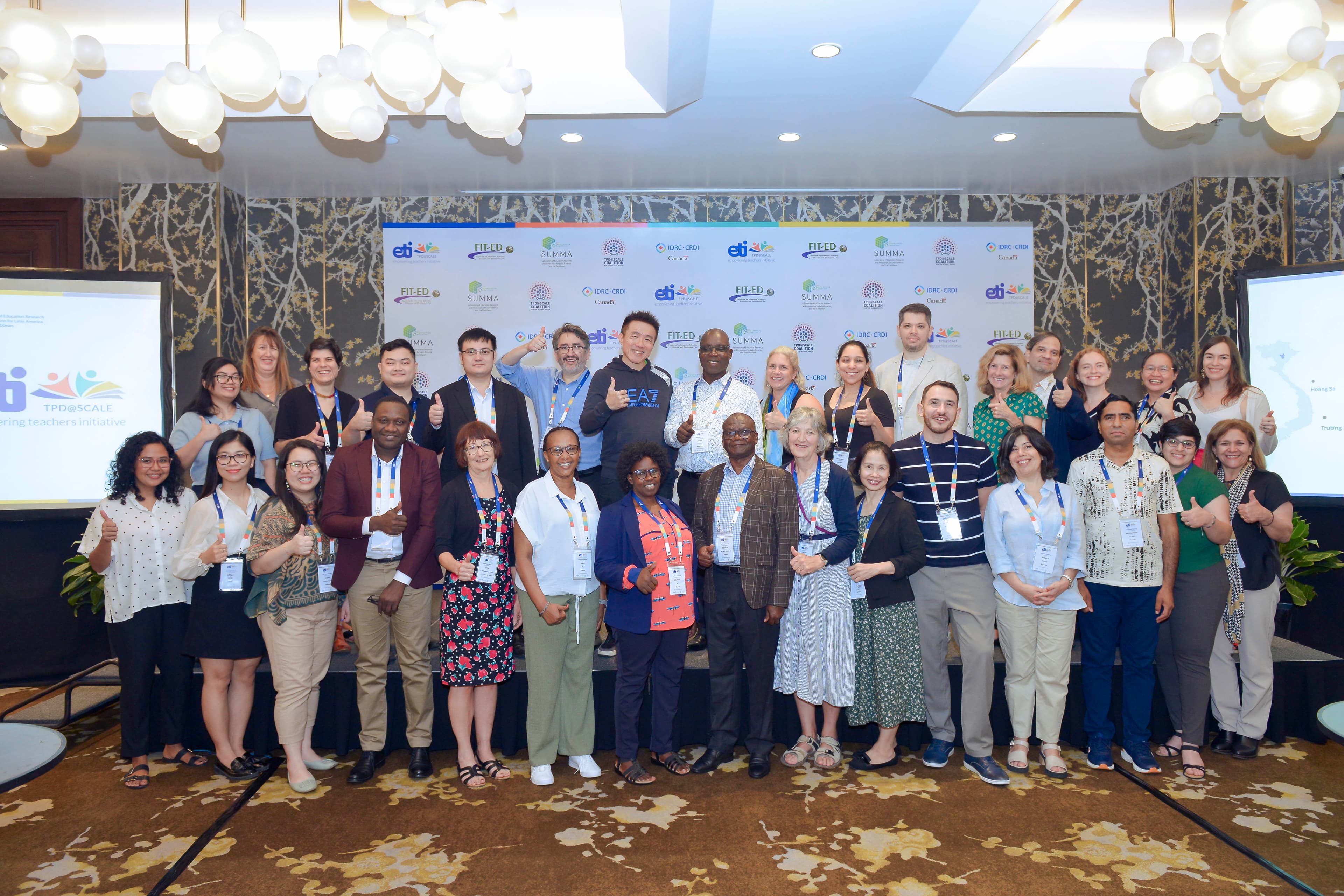
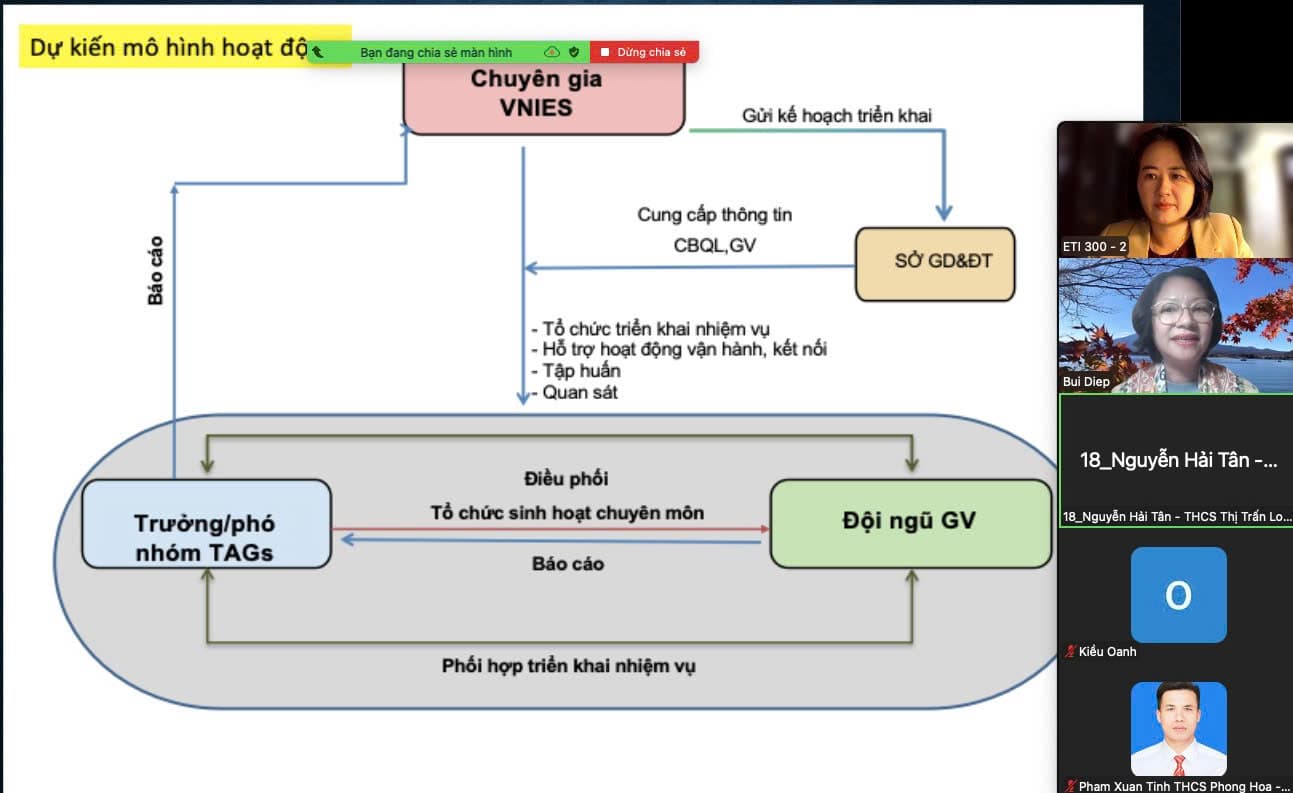
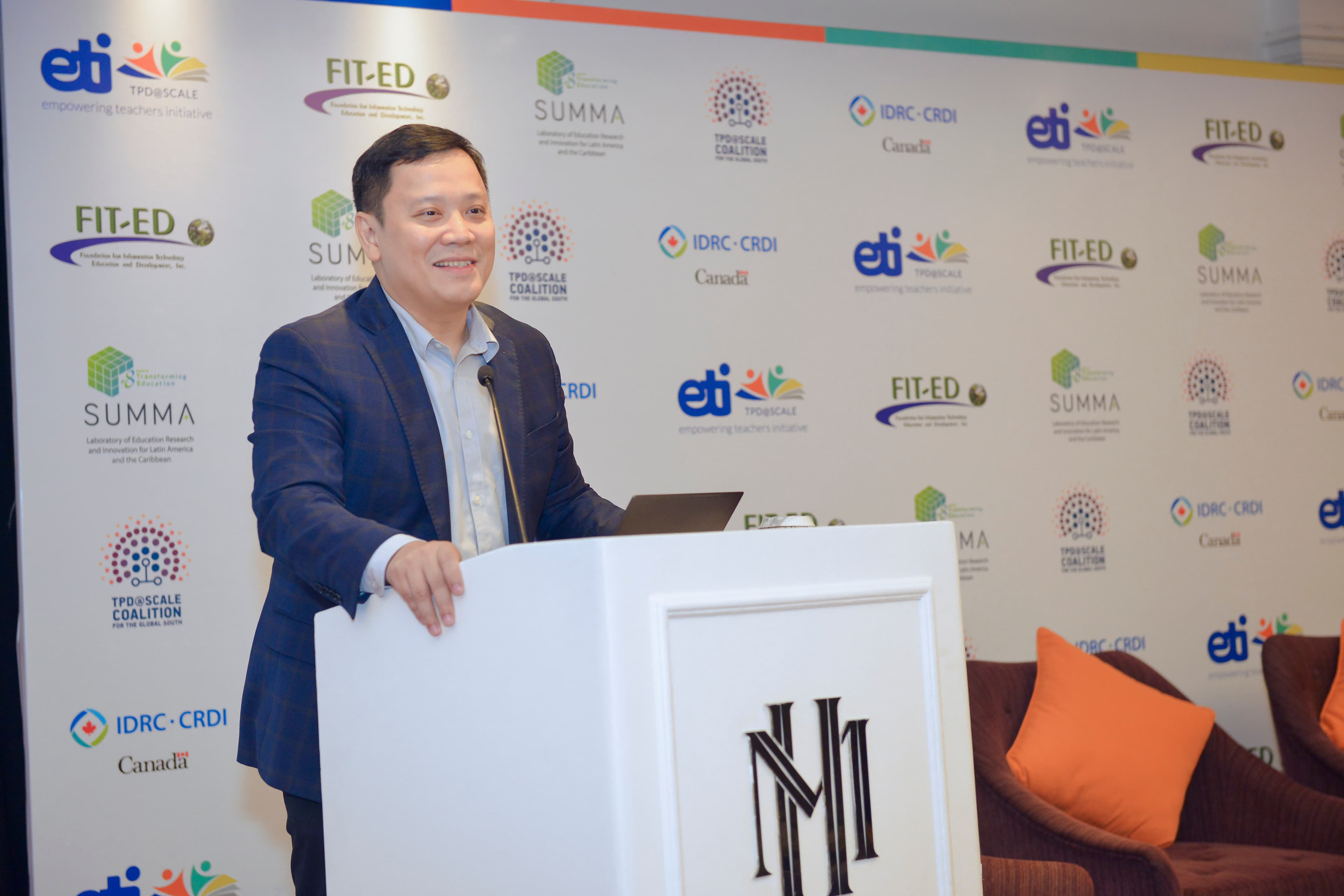
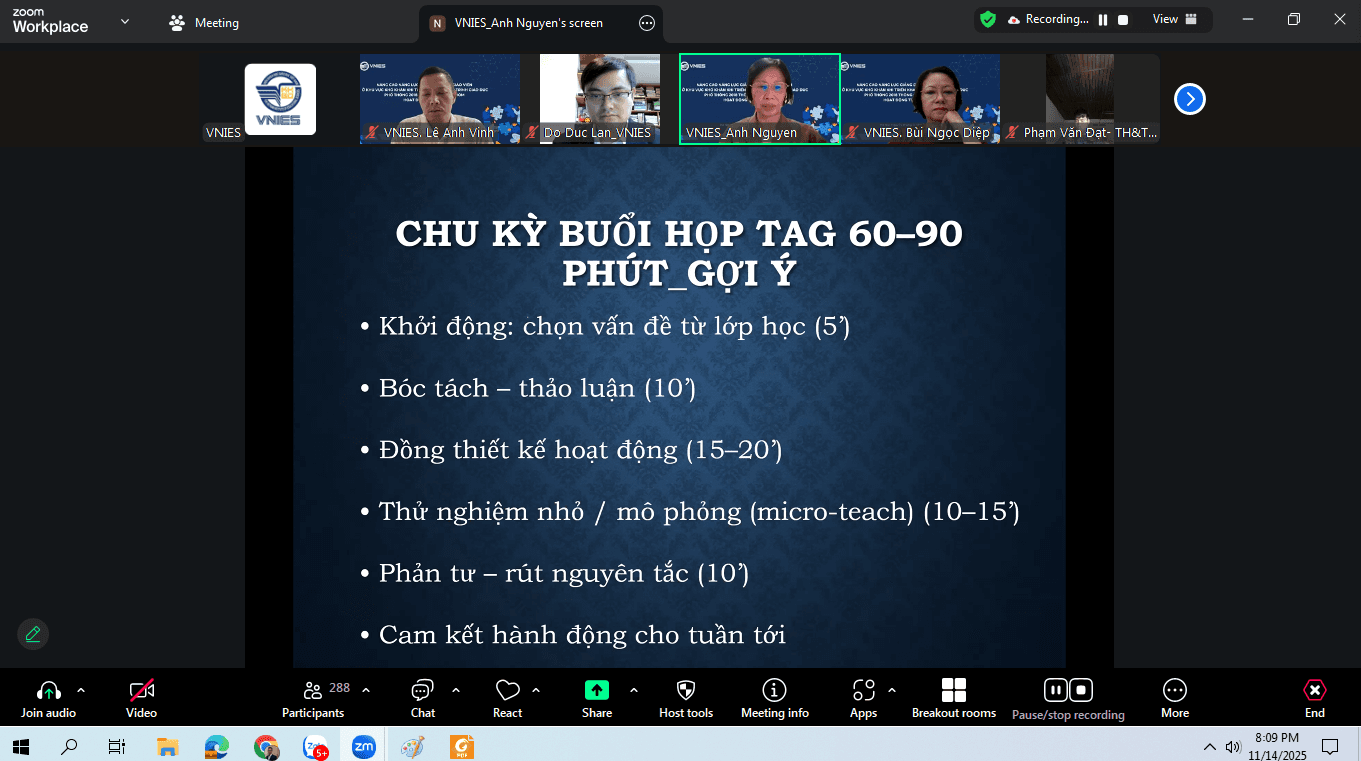
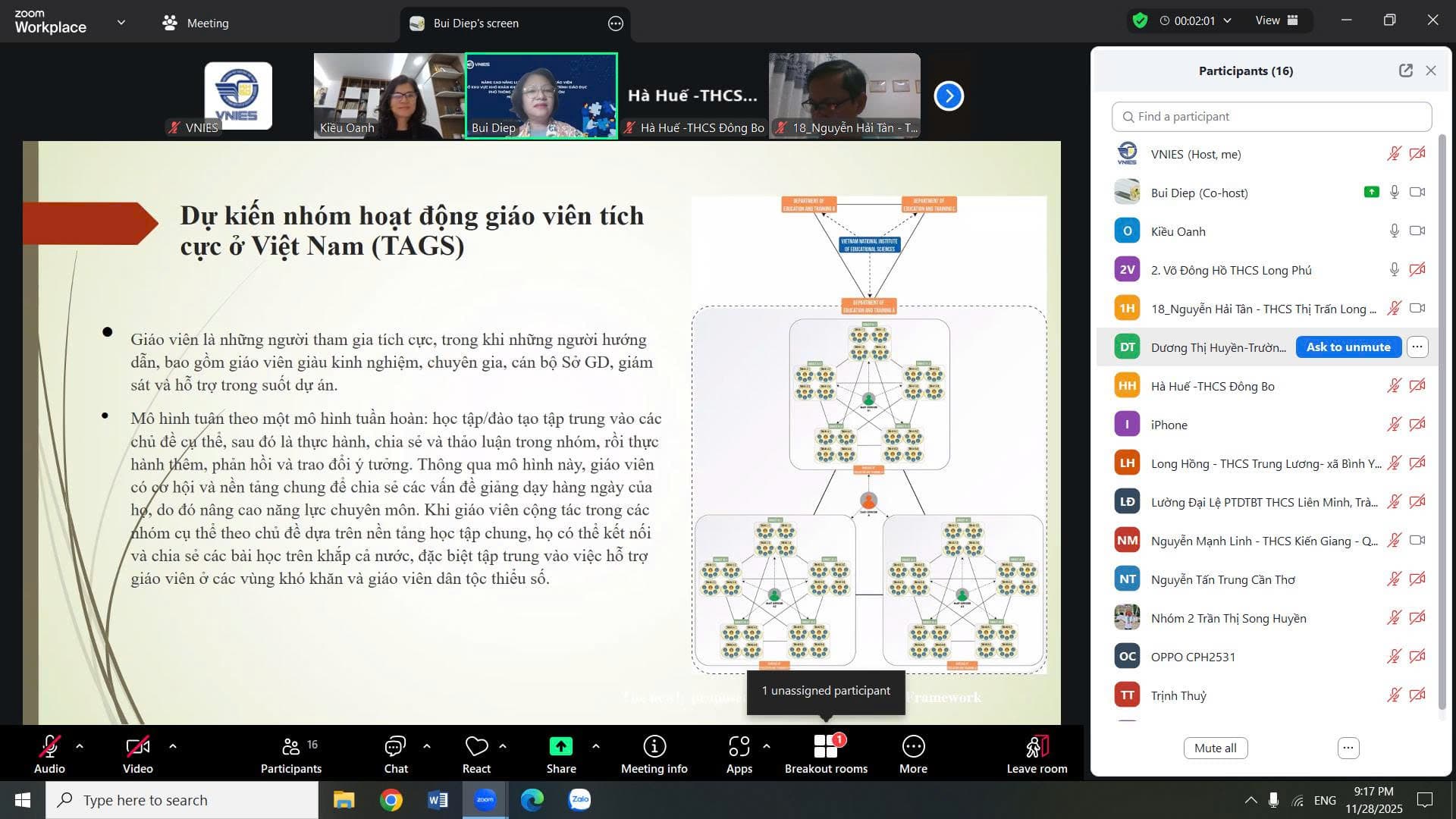
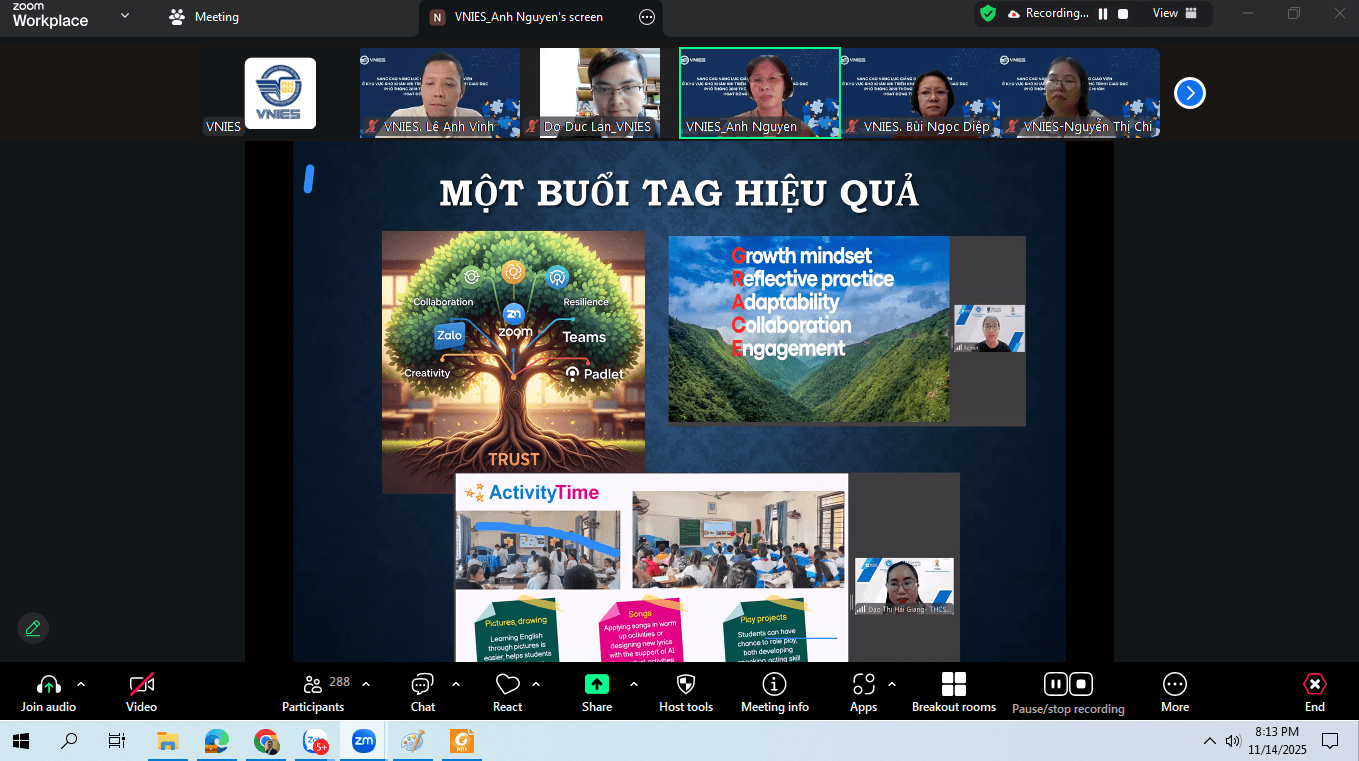
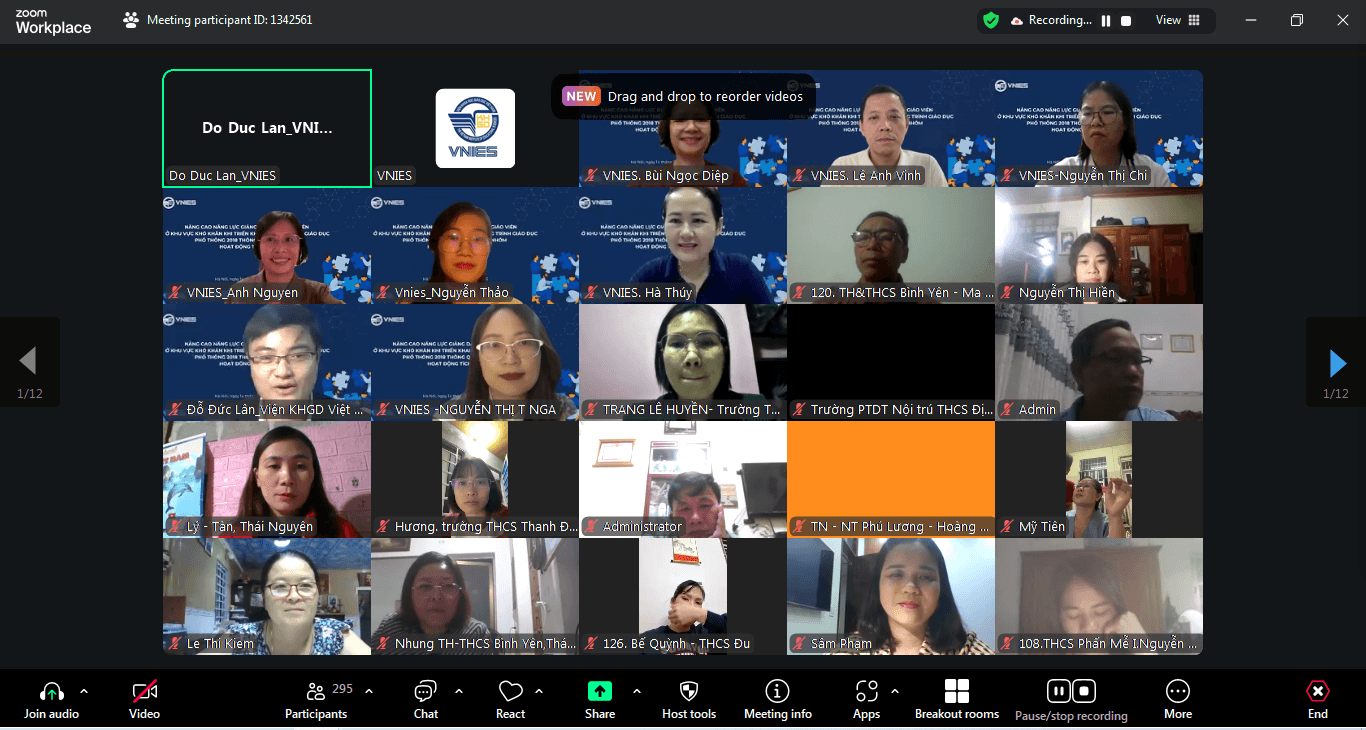
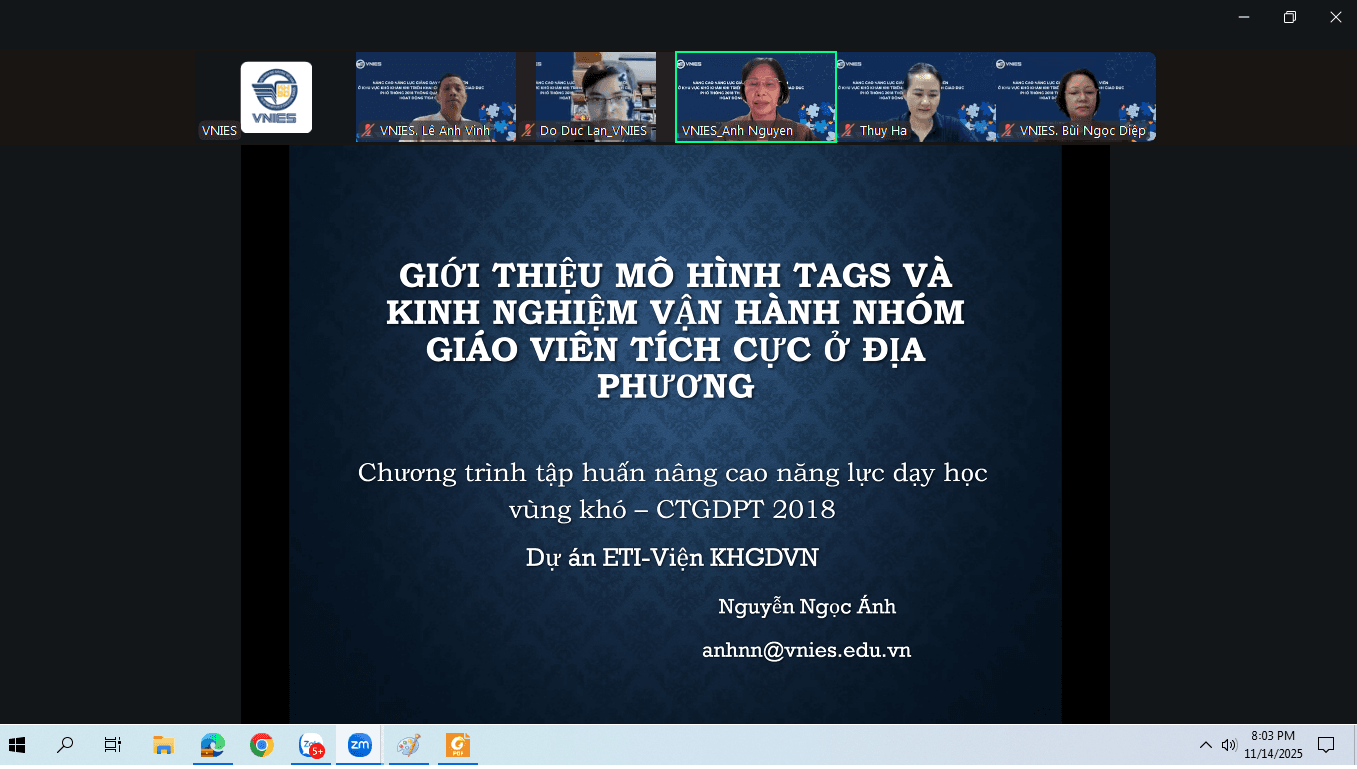
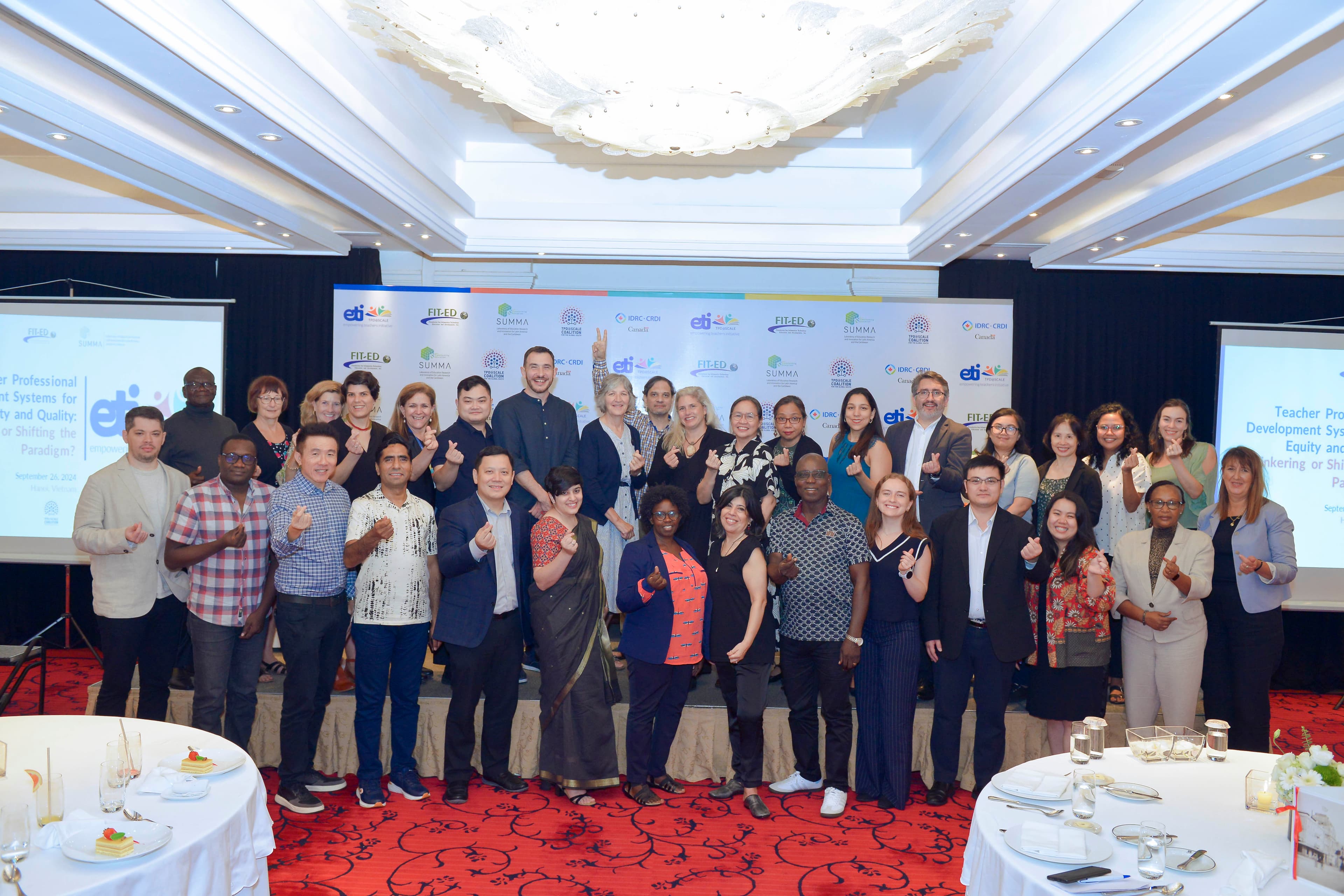
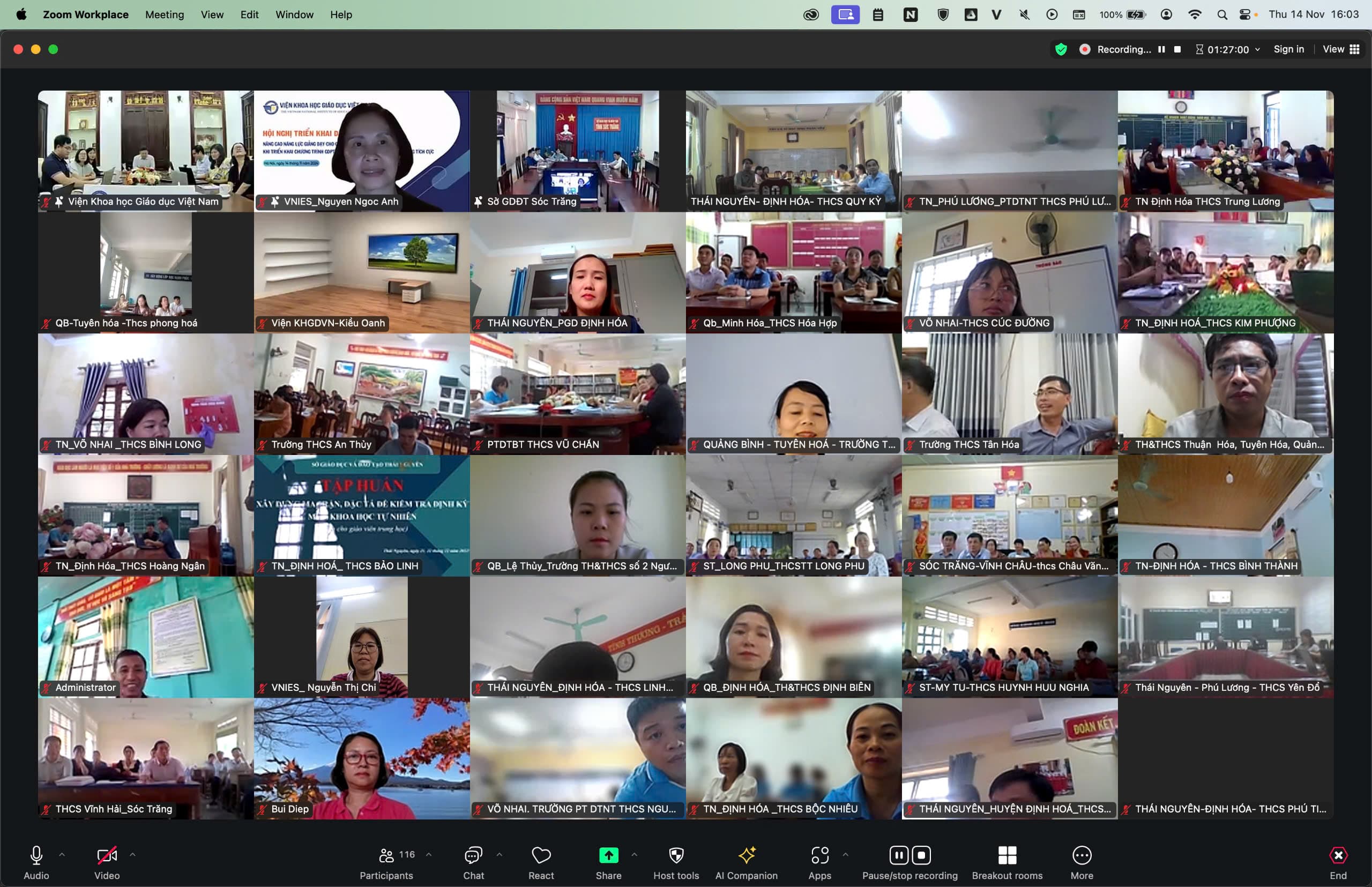
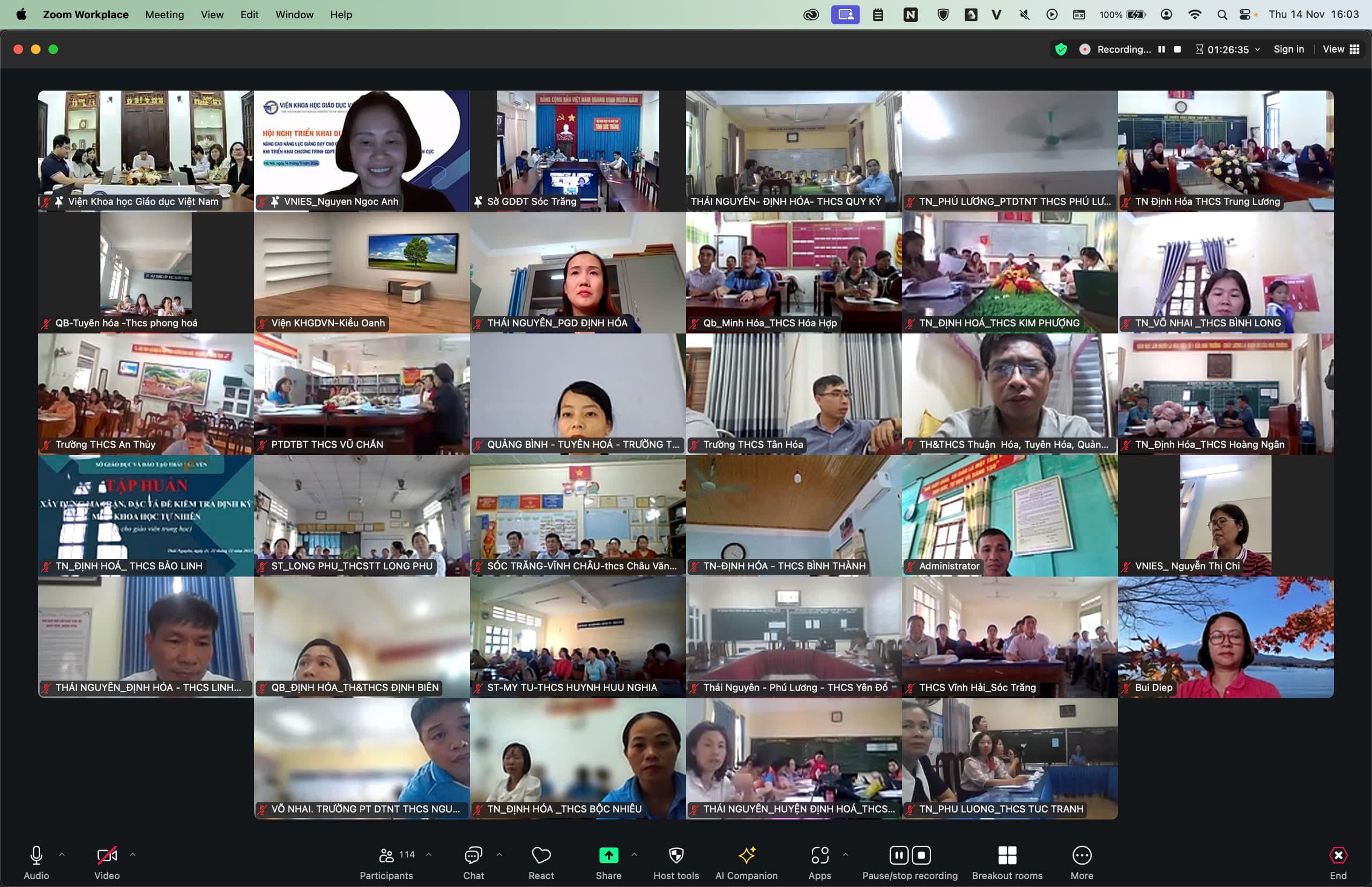
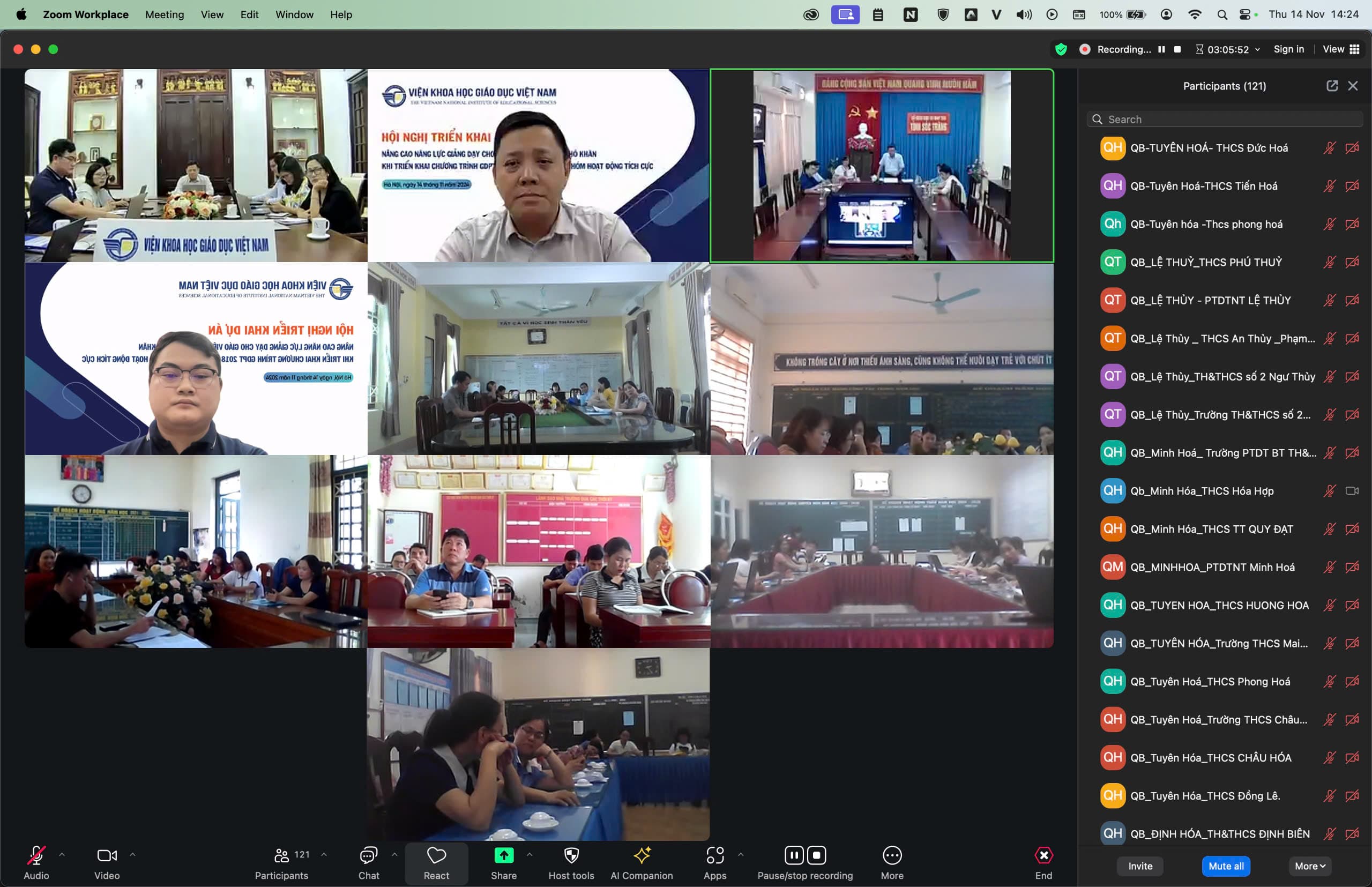
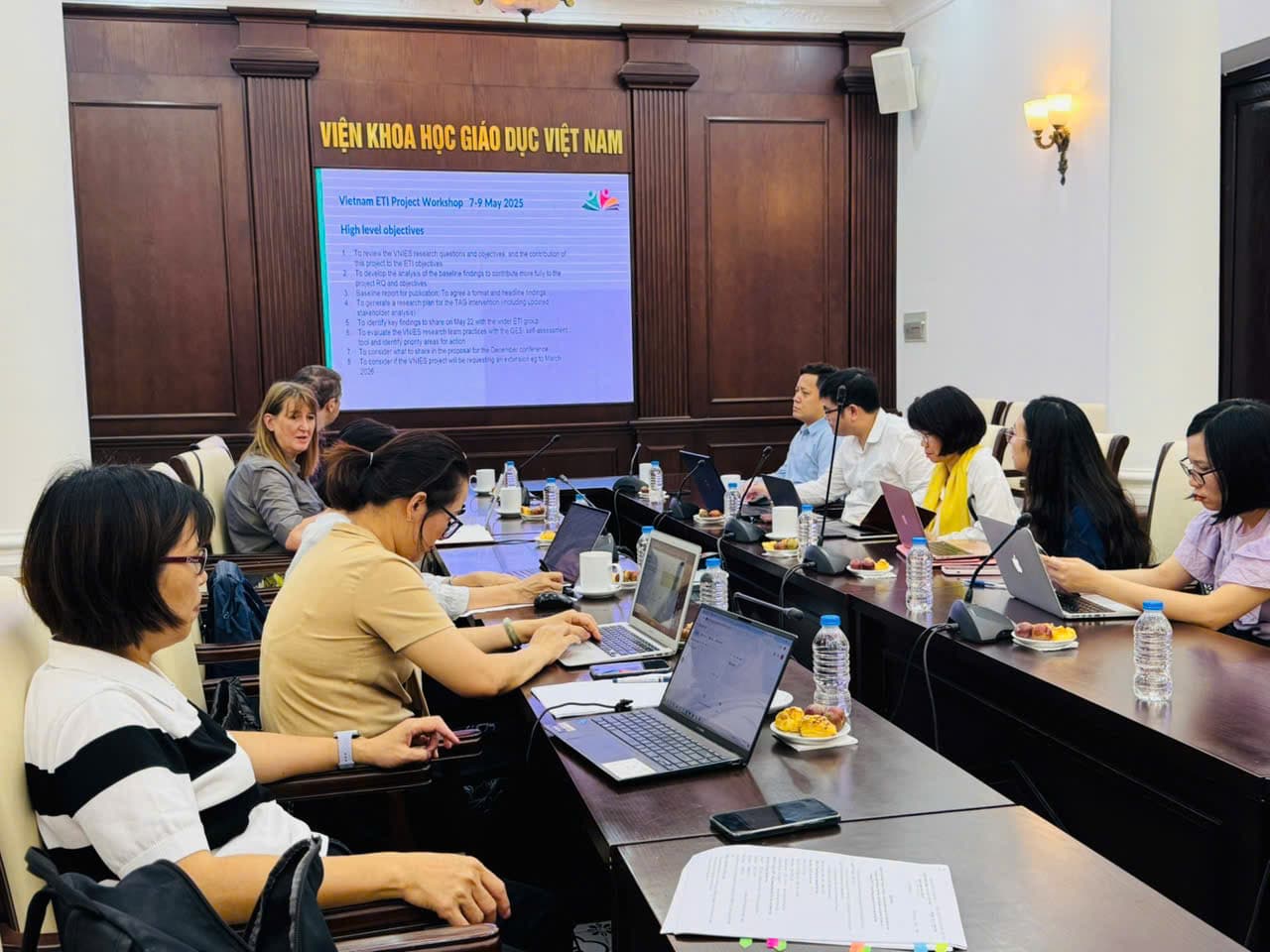
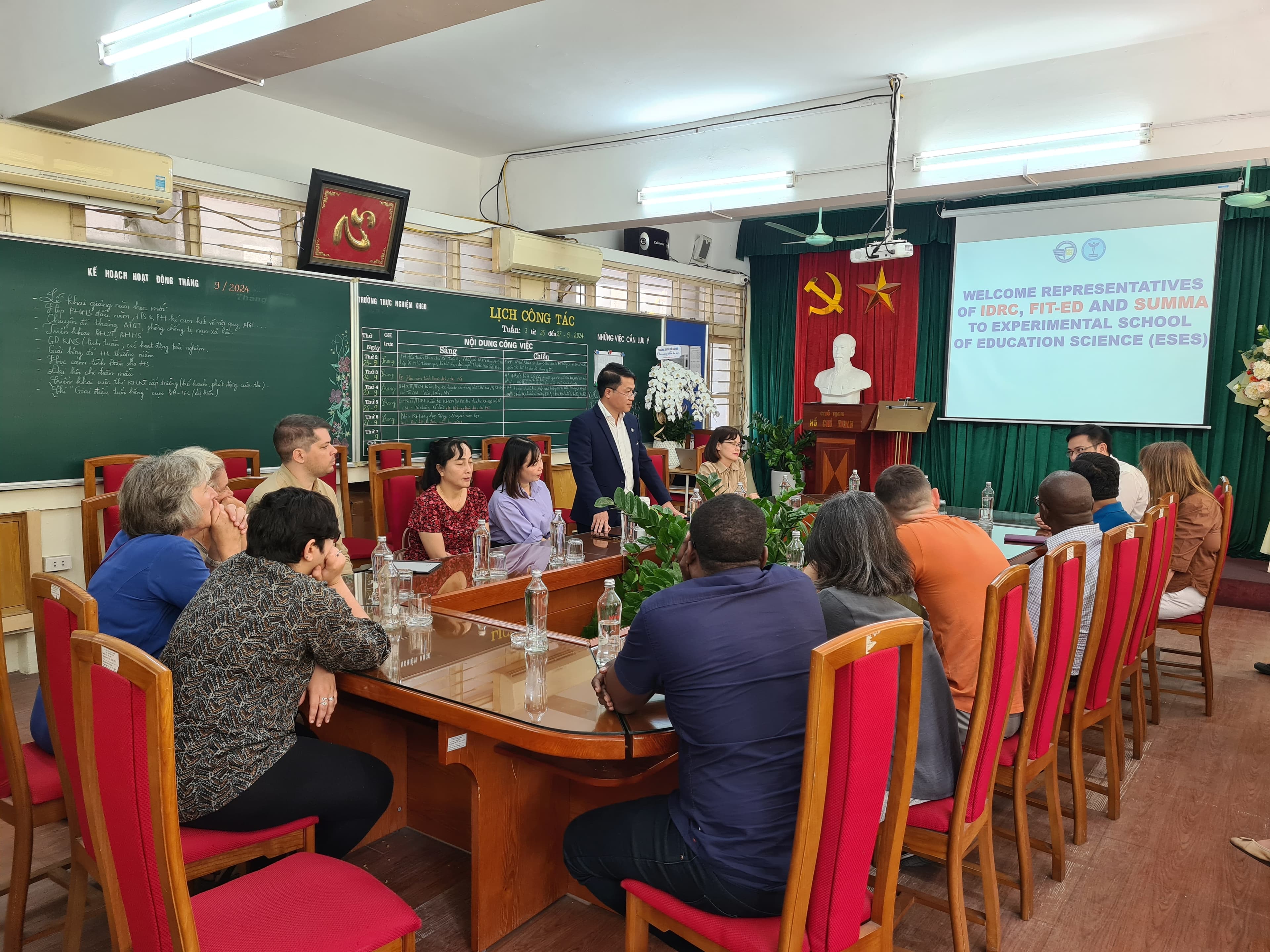
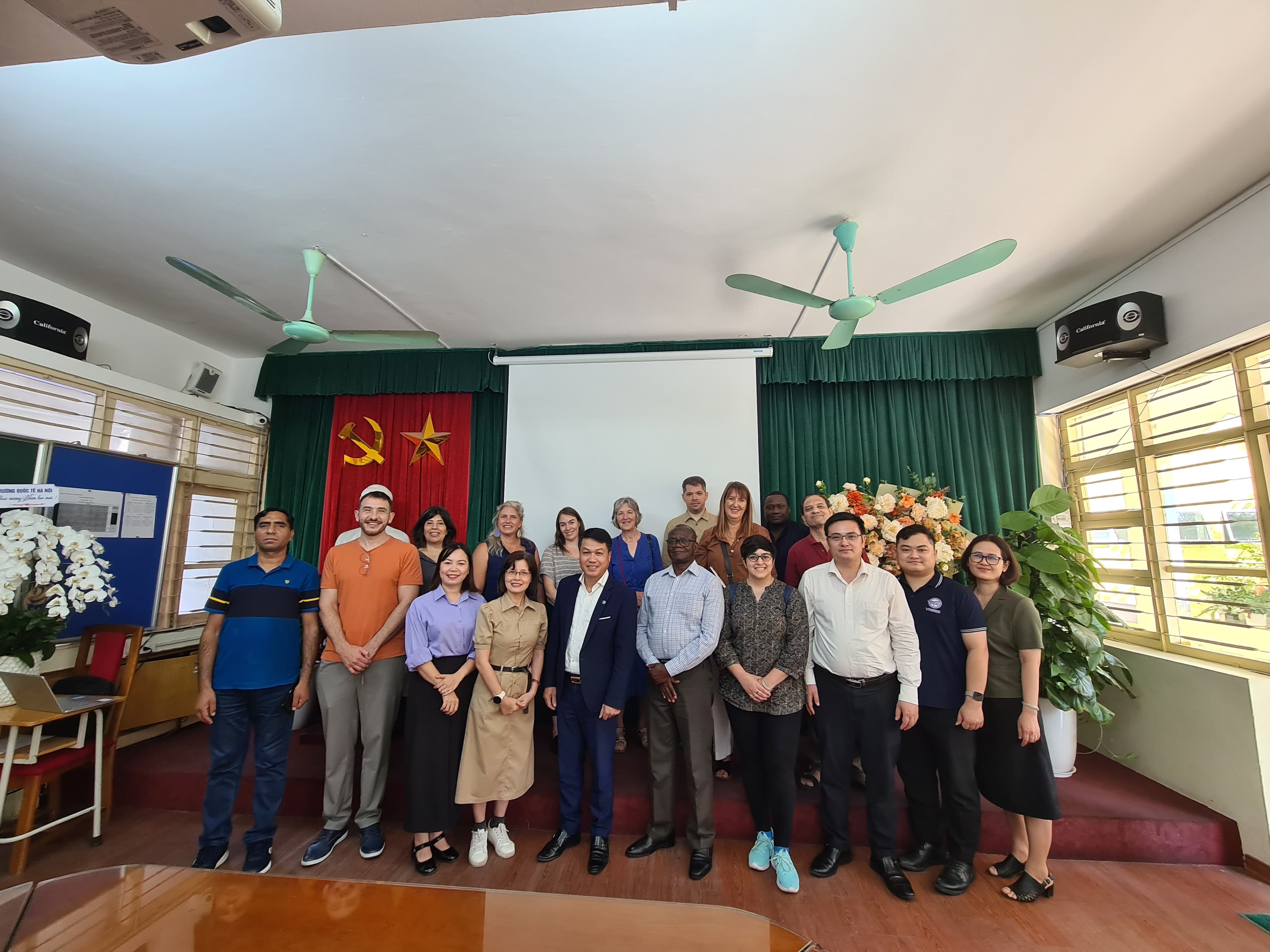
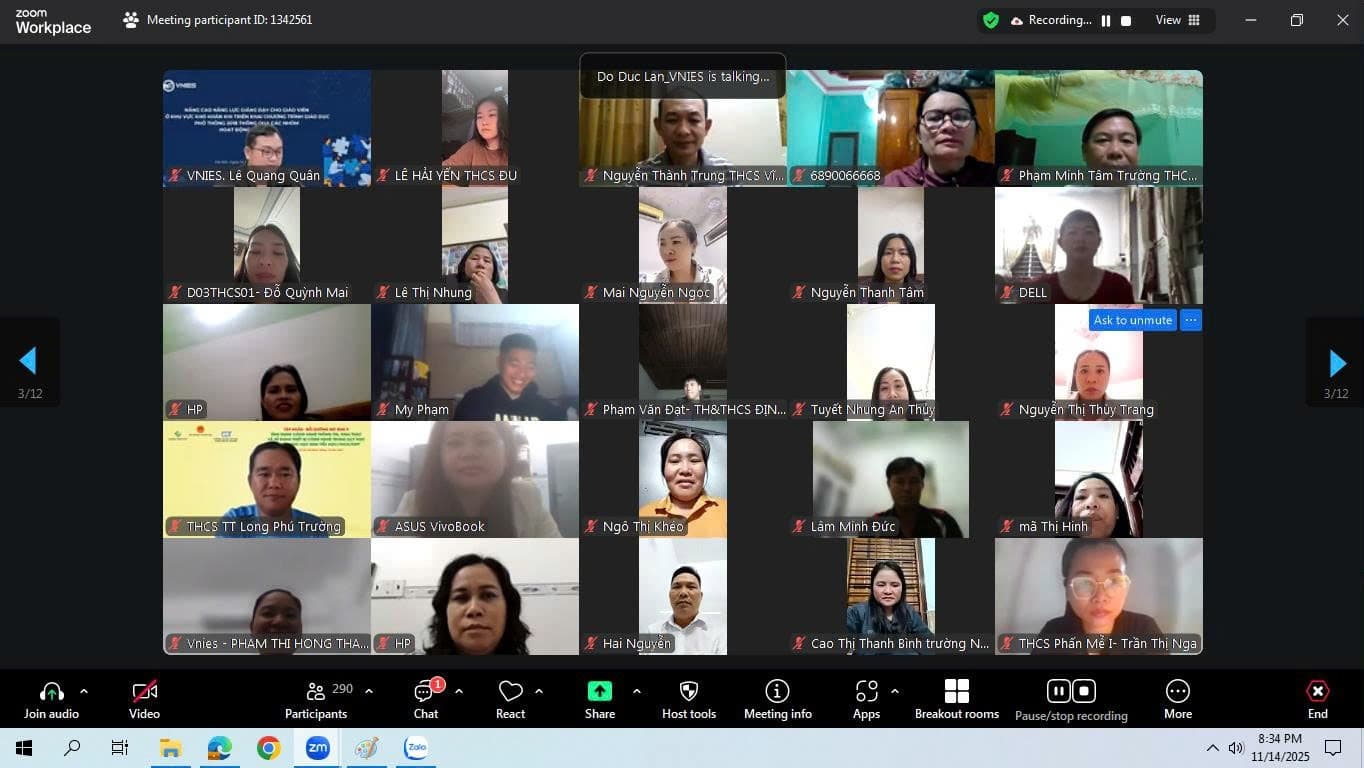
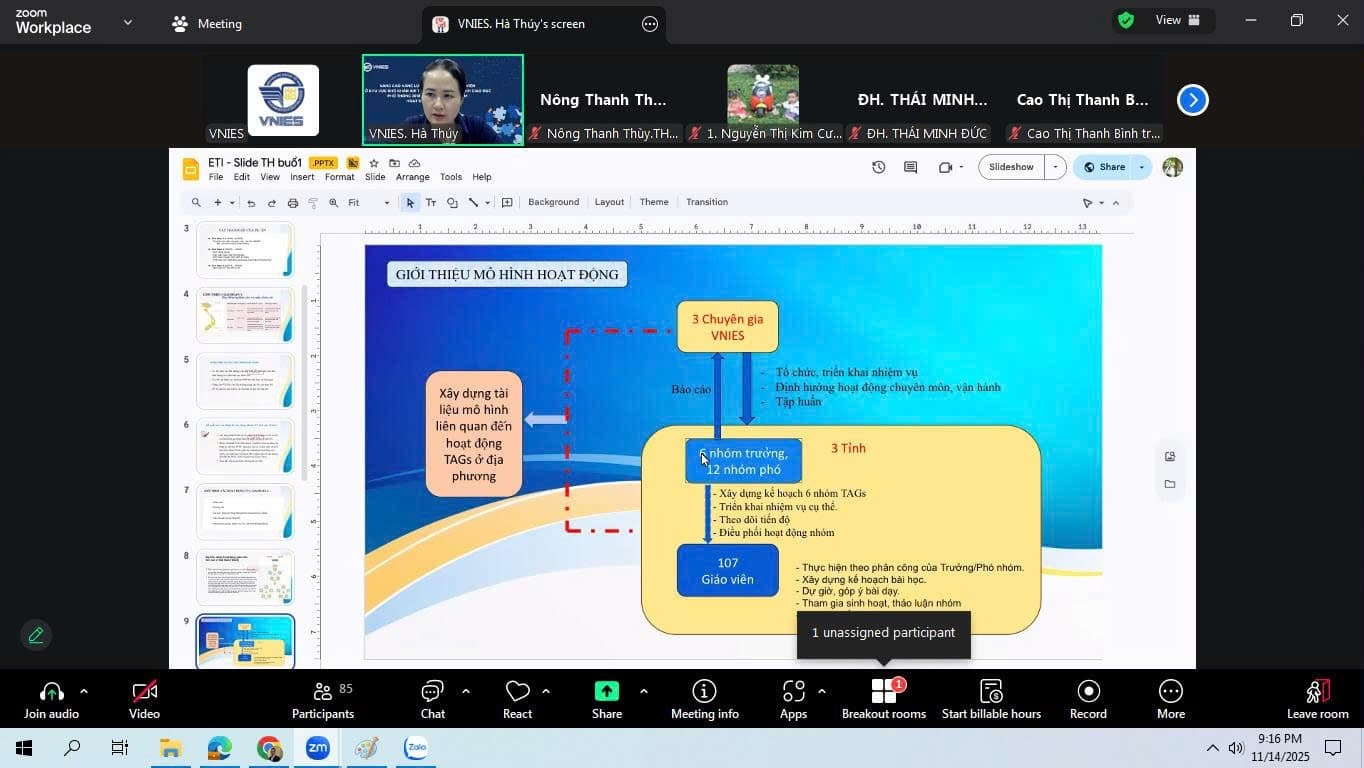
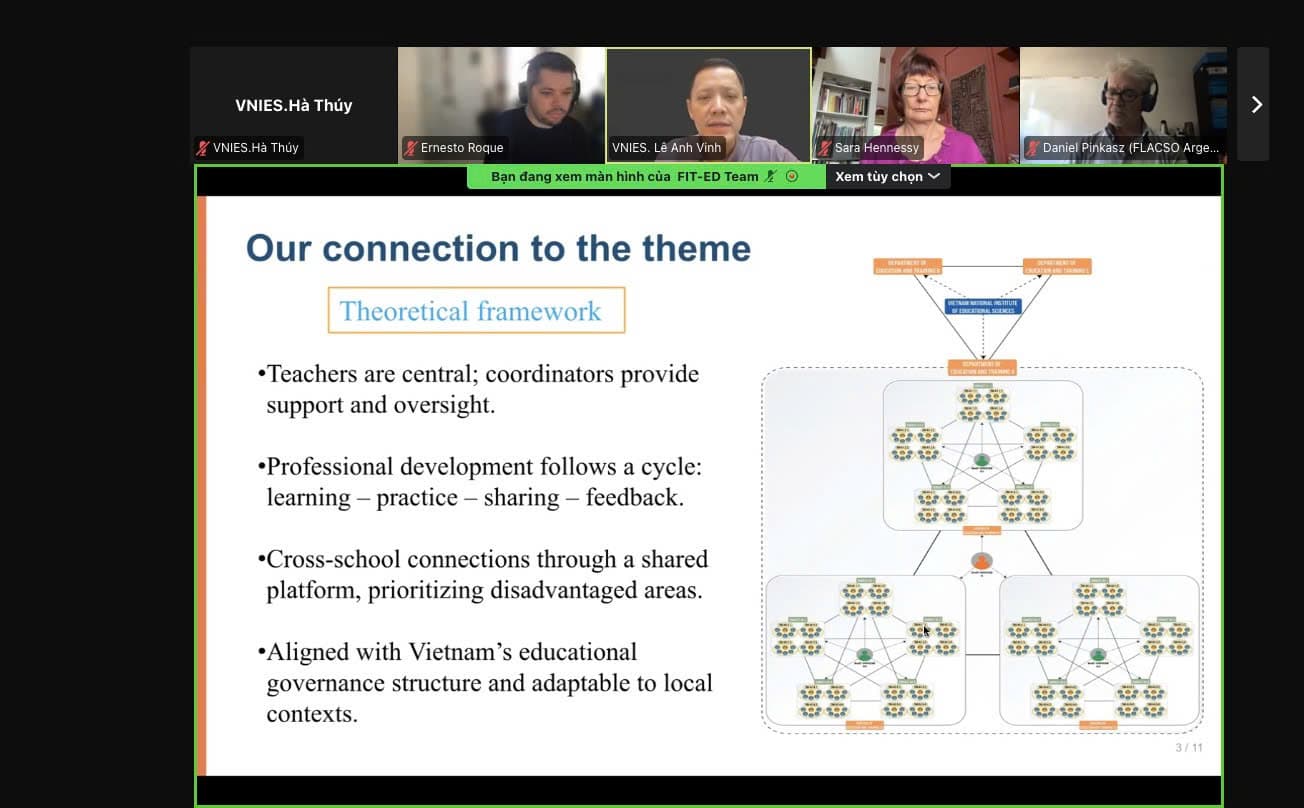
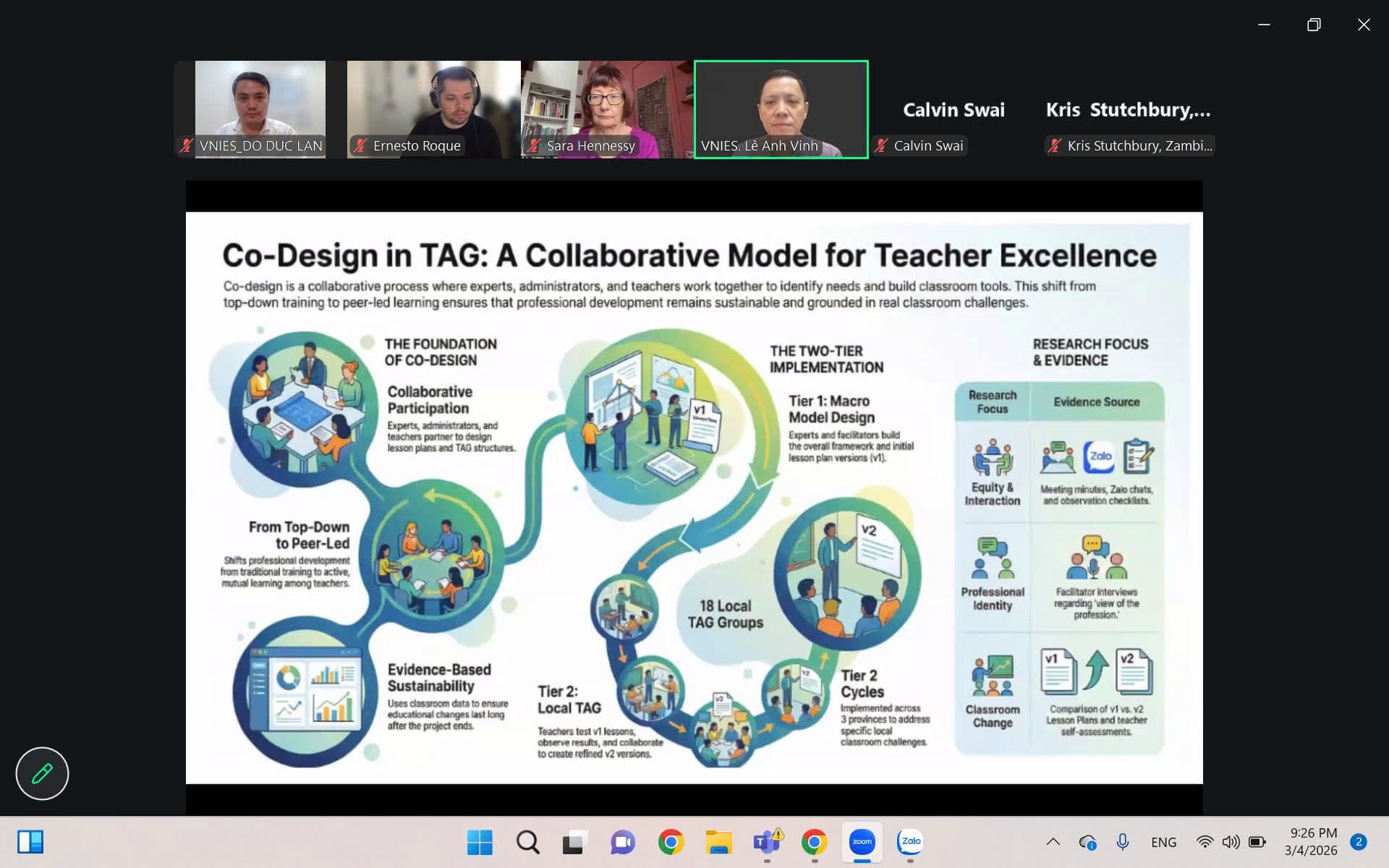
The Vietnam National Institute of Educational Sciences (VNIES), in collaboration with the International Development Research Centre (IDRC) and the Foundation for Information Technology Education and Development (FIT-ed), implemented the project “Enhancing teaching capacity for teachers in disadvantaged areas when implementing the Vietnam’s 2018 national general education curriculum through active professional learning communities.” The project aims to support lower secondary school teachers in developing their professional competencies and pedagogical skills, focusing on collaborative activities and knowledge sharing.
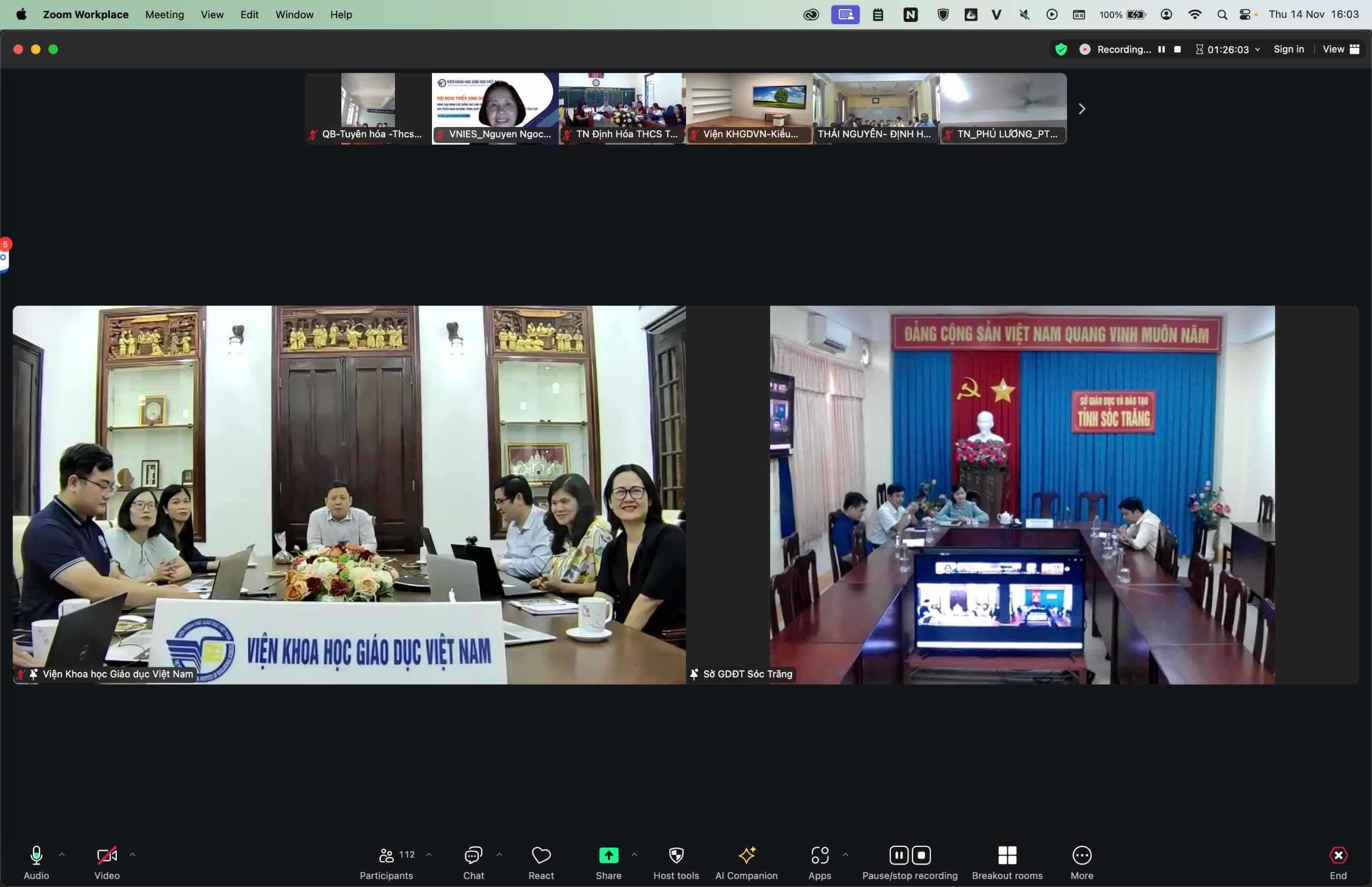
The project was carried out with teacher groups in three provinces: Thai Nguyen, Quang Binh (now Quang Tri), and Soc Trang (now Can Tho), over a period of two years. The activities consisted of three main components: baseline survey; implementation of training and professional exchange; and endline survey and overall project evaluation.
Teacher Testimonials
In Version 1 of the lesson, the teacher designed numerous quick quizzes and integrated technology to boost engagement. However, through the analysis of video footage and student work, the team observed that the classroom remained largely teacher-led. Students provided only brief answers, engaged in minimal debate, and failed to demonstrate a clear process of self-regulated learning.
Based on this evidence, the team implemented several adjustments in Version 2: reducing closed-ended questions in favor of open-ended ones, adding activities that required students to generate their own questions, incorporating a final reflection step, and streamlining the use of technology during practice sessions.
Observation results showed that students began to communicate more frequently, with some proactively challenging their peers' ideas. The end-of-class reflection sheets clearly indicated an increased self-awareness of their strengths and areas for improvement. The classroom atmosphere shifted from "getting the right answer" to "deep understanding and exchange."
The transformation did not lie in the tools used, but in the design of opportunities for students to self-learn and self-adjust. This serves as evidence that refining lesson plans based on practical observation can create significant positive shifts in the learning process.
— Nguyen Van A, Trường X
In the initial design, the lesson emphasized providing background knowledge and requiring students to analyze based on pre-existing frameworks. Although the lesson flowed smoothly, a review of student reflections revealed a monotonous uniformity in their thinking. Students tended to parrot the teacher's views rather than offering personal perspectives.
To address this, Version 2 boldly reduced lengthy lectures in favor of "Roundtable Debates" centered on multi-dimensional topics. The teacher incorporated supplementary materials beyond the textbook and encouraged students to use mind maps to connect prior and new knowledge, requiring them to defend their stances against opposing views.
The recorded transformation was an explosion of independent thought. Students began using evidence to civilly rebut or supplement one another. "Why?" and "What if?" questions surfaced continuously, turning the classroom into a genuine forum for knowledge exchange. This proves that when the barrier of the "single correct answer" is removed, student creativity is truly unleashed.
— Thuy Ha, zyx